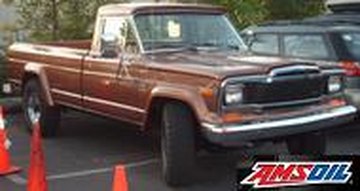
Maintenance Guidance for the 1983 Jeep J20 PICKUP 5.9L
Maintaining a vintage vehicle like the 1983 Jeep J20 PICKUP requires consistent attention to fluid levels and component health. Proper lubrication of the engine and drivetrain components is essential for managing the mechanical wear associated with older automotive designs. This guide provides information regarding gear oil options and general maintenance considerations for this specific application.
What differential or gear oil does my 1983 Jeep J20 PICKUP 5.9L take?
The following gear oil products are listed for this vehicle: SEVERE GEAR® 75W-140, SEVERE GEAR® 75W-90, 75W-90 Long Life Synthetic Gear Lube, SEVERE GEAR® 75W-110, and SEVERE GEAR® 80W-90. You should consult your owner's manual or manufacturer documentation to determine which of these specific viscosities is required for your differential or gear assembly.
Engine Oil Lubrication Basics
The engine relies on consistent oil lubrication to prevent metal-on-metal contact between moving parts. For the 1983 Jeep J20 PICKUP 5.9L, the database allows for the use of 10W-30 engine oil. Maintaining the correct viscosity is a fundamental aspect of engine care, as the oil must be thick enough to maintain a protective film under operating temperatures but thin enough to flow properly during cold starts.
Regularly checking the oil level using the dipstick is a primary maintenance task. Low oil levels can lead to increased friction, overheating, and potential component failure. If you notice a significant drop in oil levels between inspections, it may indicate a leak or internal consumption that requires professional inspection.
Monitoring Fluid Integrity
Beyond engine oil, the integrity of all vehicle fluids is vital for long-term operation. Fluids can degrade over time due to oxidation, thermal breakdown, or contamination from moisture and debris. While gear oils protect the drivetrain, engine oil protects the internal combustion components. Periodically inspecting these fluids for unusual color, smell, or texture can provide early warnings of mechanical issues.
Contaminated oil may appear milky if coolant has entered the system, or dark and gritty if excessive soot or debris is present. Keeping a clean environment around your vehicle during maintenance helps prevent external contaminants from entering sensitive housings like the engine or differential during fluid changes.
Managing Maintenance Schedules
To ensure the longevity of the 1983 Jeep J20 PICKUP, it is necessary to adhere to a regular service routine. Because this is a classic vehicle, following the manufacturer's original maintenance schedule is the most reliable way to manage service intervals for oil changes and gear oil replacements.
If you are unable to locate the original factory manual, many owners rely on general best practices for vintage vehicles, which often involve more frequent inspections than modern vehicles. Monitoring the vehicle for any changes in operating temperature, noise, or fluid consumption is a proactive way to manage maintenance without relying solely on fixed mileage intervals.
Drivetrain and Gear Oil Considerations
The gear oils listed for this application serve different purposes based on their viscosity ratings. Viscosity refers to the oil's resistance to flow. In differential applications, the weight of the oil affects how well it can lubricate gears under various load conditions and temperatures. Using a product that matches the requirements of your specific axle or gearbox is necessary for proper operation.
When performing gear oil service, ensure that all seals and gaskets are in good condition to prevent leaks. A leak in a differential can lead to a rapid loss of lubrication, which can cause catastrophic damage to the internal gears. Always verify that any new fluid meets the specific requirements outlined in your vehicle's technical documentation.
General Vehicle Inspection Tips
A comprehensive maintenance approach includes more than just fluid changes. Regularly inspecting the underside of the vehicle for signs of weeping or dripping fluids can help identify leaks before they become major problems. Check the area around the engine oil pan, the transmission housing, and the differential covers.
Additionally, checking hoses, belts, and connections ensures that the systems delivering these fluids remain intact. For a 1983 model, rubber components may become brittle or cracked over time due to age, making regular visual inspections an essential part of your routine maintenance protocol.
BUYING ENGINE OIL
When you are ready to purchase oil for your vehicle, ensure you select the viscosity specified in your documentation. For this application, 10W-30 is the listed engine oil viscosity. When shopping, look for products that clearly state their SAE grade and ensure they meet the requirements of your specific engine. Always verify that the product is appropriate for your vehicle's needs before application.